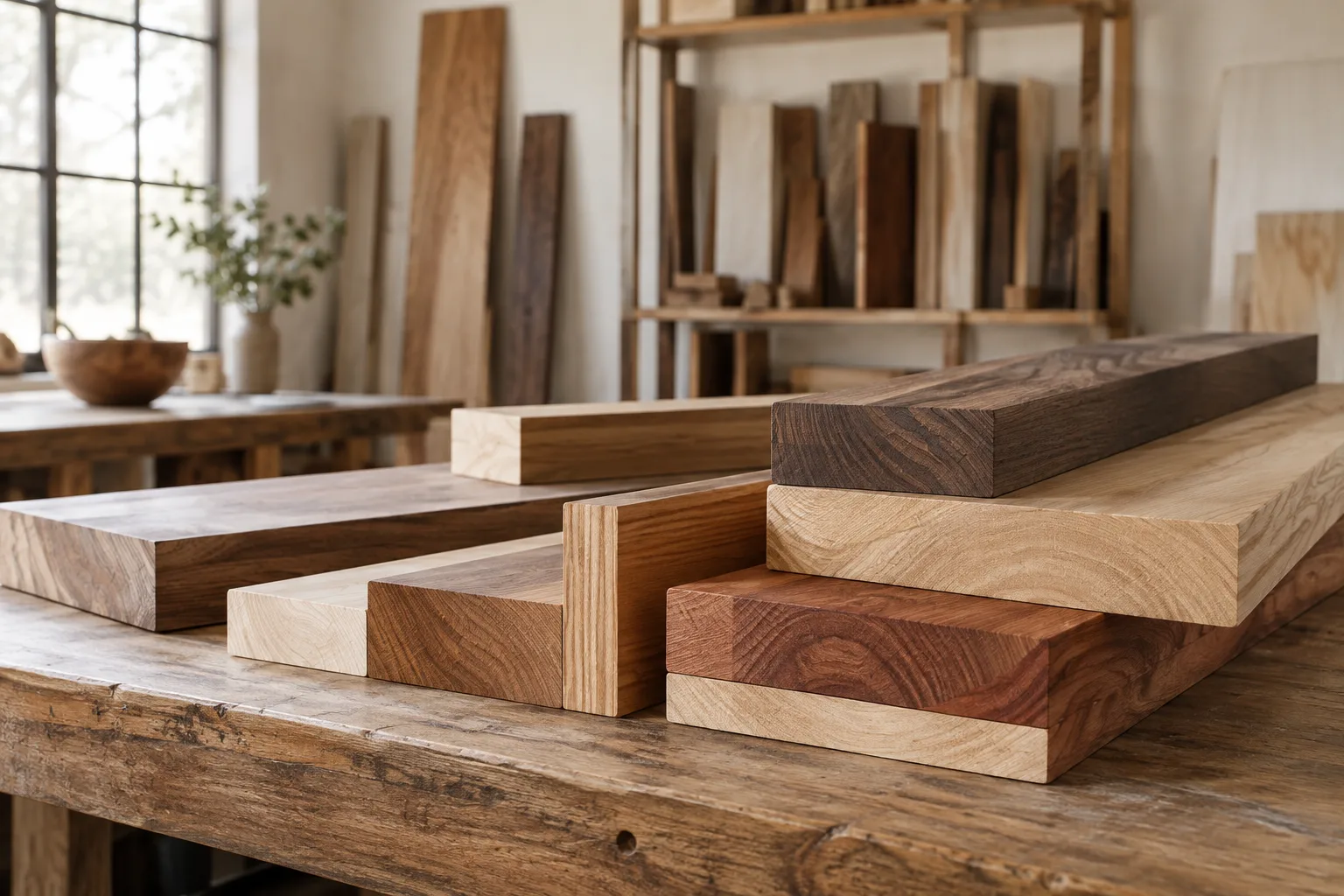
Sample density is sample mass divided by its compatible volume. It describes that sample and condition; representativeness remains a separate question.
- 01Measure mass
- 02Measure compatible volume
- 03Record sample limits
Keep the sample identifiable
Label the sample and record its source, product description, measurement date and condition. Use an appropriate instrument and retain its resolution and any relevant calibration information. A measurement without an identifiable sample cannot be meaningfully connected to a shipment.
For a solid rectangular sample, volume can be calculated from actual dimensions. Irregular shapes, grooves and voids require a suitable method rather than a bounding-box assumption. Record the method used so another person can assess what the result means.
Worked example
A hypothetical 0.50-cubic-foot sample with measured mass 25 lb has a calculated sample density of 50 lb/ft³. This is arithmetic for an invented example, not a test of a named wood. A real measurement should retain the input readings and their units, not only the final density.
A wet surface, packaging or attached hardware can alter the mass scope. A dimension recorded at a different condition can alter the volume basis. Check those differences before using the ratio in a larger estimate.
Do not confuse one sample with a population
One piece does not establish the variation in an entire delivery. Sampling strategy and acceptance criteria should match the decision and be defined by the responsible party. This website supplies neither a laboratory protocol nor a statistical certification.
When entering a sample-derived density, choose the measured-sample evidence label and identify the record. The output remains a user-supplied estimate. The label documents provenance; it does not mean the website independently checked the measurement.
Evidence & scope
Wood–water relationships and physical properties. General reference, not a supplied-product weight certificate.